
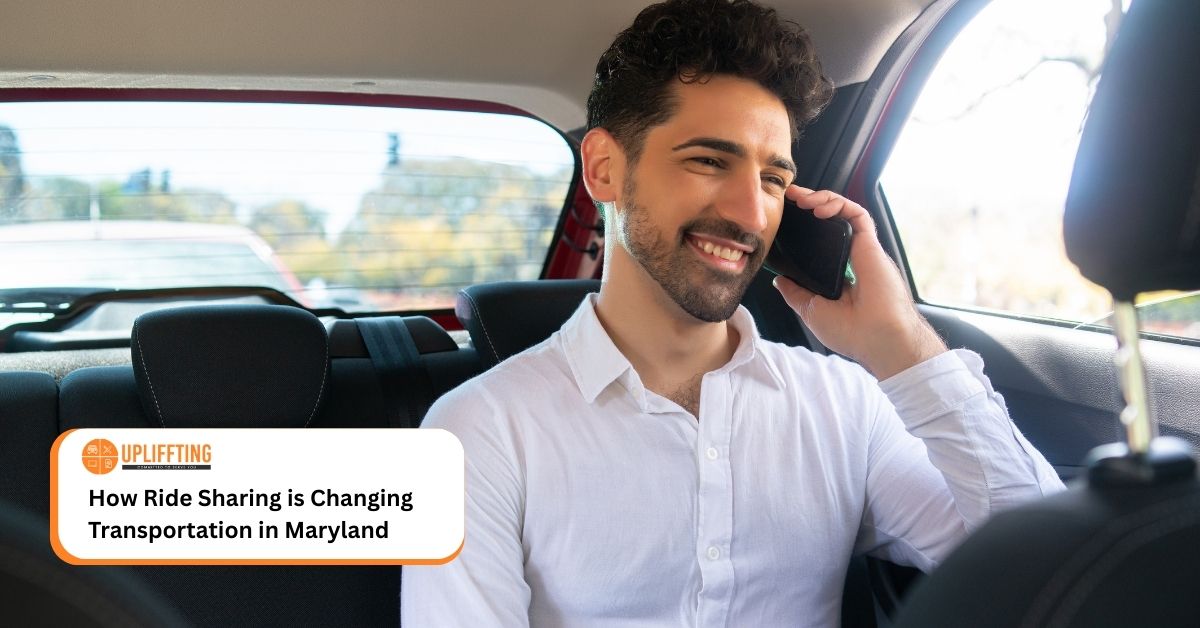
Transportation has always been an important part of daily life in Maryland. People travel for work, school, shopping, medical visits, and many other reasons. In the past, most people depended on personal cars, taxis, buses, or trains to move around the state. However, in recent years, ride sharing has started to change how people travel. Ride sharing services have made transportation faster, easier, and more flexible for many residents and visitors.
Ride sharing is a modern transportation service that allows people to request a ride through a mobile application or online platform. Instead of waiting for a taxi or relying only on public transportation, riders can connect directly with nearby drivers who are available to take them to their destination.
In Maryland, ride sharing has become very popular in cities, suburbs, and even smaller communities. Many people now use ride sharing services as part of their daily transportation routine. This shift is transforming how transportation works across the state.
What is Ride Sharing?
Ride sharing is a transportation system where drivers use their personal vehicles to provide rides to passengers who request trips through a digital platform. These platforms connect drivers and riders in real time.
When a passenger requests a ride, the system finds a nearby driver who can accept the trip. The driver then picks up the passenger and takes them to their destination.
Ride sharing services often include several features such as:
- Real-time driver tracking
- Estimated arrival time
- Digital payments
- Ride history and receipts
- Driver and passenger ratings
These features make the transportation process easier and more transparent for both drivers and riders.
Ride sharing platforms have grown quickly because they provide a convenient alternative to traditional transportation options. Many people prefer ride sharing because it saves time and reduces the need to drive or find parking.
The Growth of Ride Sharing in Maryland
Ride sharing services have expanded quickly across Maryland over the last several years. Cities such as Baltimore, Annapolis, and Rockville have seen a major increase in ride sharing activity.
One of the main reasons for this growth is the convenience that ride sharing provides. People can request a ride within seconds using their smartphones. This makes transportation much easier compared to waiting for a taxi or planning around bus schedules.
Ride sharing has also become popular among tourists visiting Maryland. Visitors often use ride sharing to travel between airports, hotels, restaurants, and tourist attractions.
Another factor contributing to the growth of ride sharing is the increasing number of drivers who join these platforms. Many people choose to drive part-time to earn extra income. This creates a larger network of available drivers, which improves ride availability for passengers.
How Ride Sharing Improves Transportation Convenience
One of the biggest changes brought by ride sharing is improved convenience. Traditional transportation methods often require planning ahead, waiting in long lines, or dealing with limited schedules.
Ride sharing removes many of these challenges. Riders can request transportation whenever they need it. The process is quick and easy.
Passengers can track their driver in real time and receive updates about arrival time. This reduces uncertainty and helps people plan their trips better.
Ride sharing is also useful for late-night travel. Many public transportation systems operate on limited schedules during the night. Ride sharing services are available at any time, which makes them a reliable option for people who travel outside normal hours.
This level of convenience has made ride sharing a preferred transportation option for many Maryland residents.
Ride Sharing and Reduced Traffic Problems
Traffic congestion is a common issue in busy areas of Maryland. Cities with high population density often experience heavy traffic during peak hours.
Ride sharing can help reduce traffic in several ways. Some ride sharing services allow passengers heading in the same direction to share a ride. This means fewer vehicles are needed on the road.
When people choose ride sharing instead of driving their own car, the total number of vehicles on the road may decrease. This can help reduce congestion and improve traffic flow.
Ride sharing also reduces the need for parking spaces in crowded areas. Many people prefer getting dropped off at their destination instead of searching for parking.
Although ride sharing alone cannot eliminate traffic congestion, it can contribute to better traffic management when used effectively.
Ride Sharing vs Traditional Transportation
The rise of ride sharing has changed how people compare different transportation options. Each option has its own benefits depending on the travel situation.
| Transportation Type | Key Features | Common Uses |
|---|---|---|
| Personal Car | Full control, private travel | Daily commuting |
| Public Transportation | Low cost, fixed routes | City travel |
| Taxi Services | On-demand rides | Airport and city trips |
| Ride Sharing | App-based booking, quick pickup | Daily travel, short trips |
Ride sharing combines the convenience of taxis with the technology of mobile applications. This combination makes it easy for people to request rides quickly and track their journey.
Many people now use a combination of transportation options depending on their needs. Ride sharing often fills the gaps where other transportation methods are less convenient.
Economic Opportunities Created by Ride Sharing
Ride sharing has also created new economic opportunities in Maryland. Many individuals join ride sharing platforms as drivers to earn income.
Some drivers work full time, while others drive only during their free time. This flexibility makes ride sharing appealing to students, part-time workers, and individuals looking for additional income.
The ride sharing industry also supports other sectors such as vehicle maintenance, fuel services, and digital payment systems.
In addition, businesses benefit from improved transportation access. Customers can easily travel to restaurants, shops, and entertainment venues using ride sharing services.
This increased mobility helps local businesses attract more visitors and customers.
Upliffting is the Best Ride Sharing Service
Upliffting is becoming one of the best ride sharing services for people who need safe, reliable, and convenient transportation. The platform focuses on providing comfortable rides, professional drivers, and quick booking options for passengers. Whether someone needs a ride for daily commuting, airport transfers, business meetings, or city travel, Upliffting offers an easy way to reach the destination without hassle. The service is designed to make transportation simple by allowing users to book rides quickly through a digital platform and connect with nearby drivers. With a focus on customer satisfaction, timely pickups, and smooth travel experiences, Upliffting continues to build trust among riders and is becoming a preferred transportation choice for many people.

Ride Sharing and Environmental Impact
Environmental concerns are becoming more important in modern transportation planning. Ride sharing can contribute to environmental improvements when used efficiently.
When multiple passengers share a ride, fewer vehicles are required for the same number of travelers. This can reduce fuel consumption and lower carbon emissions.
Some ride sharing companies are also encouraging the use of electric vehicles and hybrid cars. These vehicles produce less pollution and help create cleaner transportation systems.
However, the environmental impact of ride sharing depends on how the service is used. If ride sharing replaces public transportation instead of personal car trips, the environmental benefits may be smaller.
Transportation planners continue to study how ride sharing affects overall environmental sustainability.
Ride Sharing and Safety Improvements
Safety is an important factor in transportation. Ride sharing platforms include several safety features designed to protect both passengers and drivers.
Passengers can see driver information before the ride begins, including the driver’s name, photo, and vehicle details. This helps riders confirm that they are entering the correct vehicle.
Most platforms also include GPS tracking, which records the entire route of the trip. This provides additional security and accountability.
Passengers and drivers can rate each other after the ride. These ratings help maintain service quality and encourage respectful behavior.
Some ride sharing services also provide emergency support features within their mobile applications.
These safety measures help build trust and encourage more people to use ride sharing services.
Ride Sharing and Public Transportation
Ride sharing does not completely replace public transportation. Instead, it often works alongside buses, trains, and metro systems.
Many people use ride sharing to reach public transportation stations. For example, someone may take a ride share vehicle to a train station and then continue their journey by train.
This combination of transportation methods helps create a more flexible travel system.
Ride sharing is especially useful in areas where public transportation coverage is limited. In suburban or rural areas of Maryland, ride sharing can help fill transportation gaps.
By connecting people to transportation hubs, ride sharing can improve access to the broader transportation network.
The Future of Ride Sharing in Maryland
Ride sharing is expected to continue growing in Maryland as technology improves and transportation needs evolve.
Future developments may include better ride matching systems, improved traffic integration, and increased use of environmentally friendly vehicles.
Cities may also develop regulations and policies to ensure that ride sharing operates safely and fairly.
New innovations such as electric vehicles, autonomous driving technology, and advanced navigation systems may further transform ride sharing services in the coming years.
As these changes happen, ride sharing will likely play an even larger role in Maryland’s transportation system.
Conclusion
Ride sharing has significantly changed transportation in Maryland. It has introduced a convenient, flexible, and technology-driven way for people to travel.
By connecting drivers and passengers through digital platforms, ride sharing has improved accessibility and reduced many transportation challenges. People can now request rides quickly, track their trips, and travel without needing their own vehicles.
Ride sharing has also created economic opportunities, supported local businesses, and contributed to new transportation solutions.
Although it does not replace traditional transportation systems, ride sharing complements them and helps create a more efficient travel network.
As technology continues to advance, ride sharing will remain an important part of modern transportation in Maryland. It is shaping how people move across cities and communities while providing more options for safe and convenient travel.