
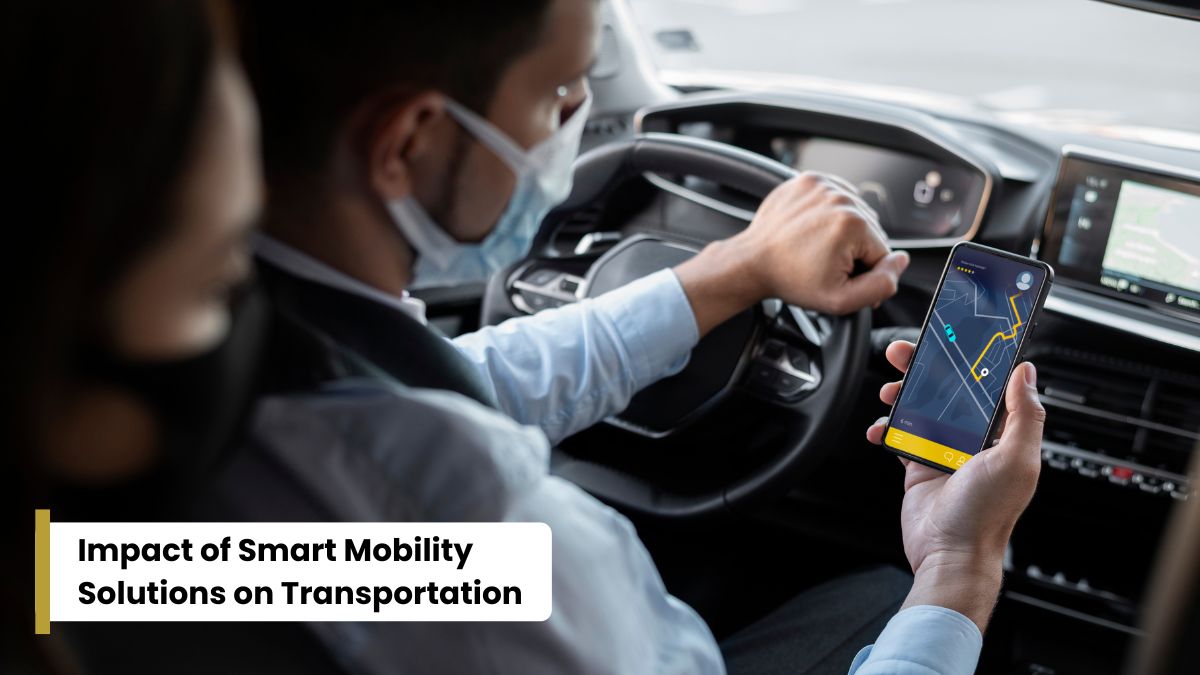
Transportation is changing faster than ever before. Cities are growing, traffic is increasing, and people expect faster, safer, and more convenient ways to travel. This is where smart mobility solutions come into the picture. These solutions are not just about new vehicles or apps, but about improving the entire transportation system using technology, data, and better planning.
Smart mobility is transforming how people move from one place to another. It focuses on making transportation more efficient, reducing pollution, saving time, and improving overall travel experience. This change is uplifting transportation systems by making them smarter, cleaner, and more connected.
What is Smart Mobility in Transportation
Smart mobility refers to the use of modern technologies such as artificial intelligence, Internet of Things (IoT), data analytics, and automation to improve transportation systems. It connects vehicles, roads, and users through digital platforms.
Instead of traditional systems where everything works separately, smart mobility creates a connected network. This allows better traffic management, real-time updates, and improved decision-making for both users and authorities.
For example, navigation apps that show live traffic updates, ride-sharing platforms, and electric vehicles are all part of smart mobility solutions.
How Smart Mobility is Uplifting Transportation
Smart mobility is bringing positive changes in many areas of transportation. It is improving not only how people travel but also how cities manage their transport systems.
Better Traffic Management
One of the biggest problems in cities is traffic congestion. Smart mobility solutions use real-time data to monitor traffic and manage it efficiently. Traffic signals can adjust automatically based on vehicle flow, reducing waiting time at signals.
With smart systems, drivers get updates about traffic conditions and can choose better routes. This reduces traffic jams and saves time for everyone on the road.
Improved Public Transportation
Public transport systems are becoming more reliable and user-friendly with smart mobility. Real-time tracking allows passengers to know exactly when a bus or train will arrive.
Digital ticketing systems reduce the need for physical tickets and long queues. This makes public transport more convenient and encourages more people to use it, which helps reduce the number of private vehicles on the road.
Rise of Electric Vehicles
Electric vehicles are an important part of smart mobility. They help reduce air pollution and dependence on fossil fuels. Governments and companies are promoting electric cars, buses, and bikes.
Charging infrastructure is also improving, making it easier for people to switch to electric vehicles. This shift is making transportation cleaner and more sustainable.
Growth of Ride-Sharing Services
Ride-sharing platforms have changed how people travel in cities. Instead of owning a car, people can book rides when needed. This reduces the number of vehicles on the road and lowers traffic congestion.
Carpooling options also allow multiple people to share a ride, which saves money and reduces environmental impact.
Enhanced Safety in Transportation
Smart mobility improves safety by using advanced technologies. Features like automatic braking, lane detection, and collision warnings help prevent accidents.
Traffic monitoring systems can quickly detect accidents and inform emergency services. This leads to faster response times and better handling of road incidents.
Key Technologies Behind Smart Mobility
Smart mobility is powered by several advanced technologies that work together to create efficient transportation systems.
Internet of Things (IoT)
IoT connects vehicles, traffic signals, and infrastructure through sensors and devices. This allows real-time data collection and communication.
For example, smart traffic lights can adjust based on traffic conditions, and connected vehicles can share information with each other.
Artificial Intelligence (AI)
AI helps analyze large amounts of data to make better decisions. It is used in traffic prediction, route optimization, and autonomous driving systems.
AI can also help in planning better transportation systems by analyzing travel patterns.
Data Analytics
Data analytics plays a key role in understanding how transportation systems work. It helps identify problems and improve efficiency.
Authorities can use data to plan better roads, reduce congestion, and improve public transport services.
Automation and Autonomous Vehicles
Self-driving vehicles are an important part of smart mobility. These vehicles use sensors and AI to navigate without human intervention.
Although still developing, autonomous vehicles have the potential to reduce accidents and improve traffic flow.
Benefits of Smart Mobility Solutions
Smart mobility is not just about technology; it brings real benefits to people, cities, and the environment.
Reduced Traffic Congestion
With better traffic management and shared mobility options, the number of vehicles on the road decreases. This leads to smoother traffic flow and less congestion.
Lower Pollution Levels
Electric vehicles and efficient transportation systems help reduce emissions. This improves air quality and supports environmental sustainability.
Time and Cost Savings
Smart mobility solutions save time by reducing travel delays and improving route planning. Ride-sharing and public transport also reduce travel costs for users.
Better User Experience
Real-time updates, digital payments, and easy booking systems make transportation more convenient. Users have more control over their travel plans.
Improved Urban Planning
Smart mobility provides valuable data that helps cities plan better infrastructure. This leads to more organized and efficient urban development.
Challenges in Smart Mobility Implementation
While smart mobility offers many benefits, there are also challenges that need to be addressed.
High Initial Investment
Implementing smart mobility systems requires significant investment in technology and infrastructure. This can be a challenge for developing cities.
Data Privacy Concerns
Smart mobility relies on collecting user data. Ensuring data privacy and security is an important concern that must be handled carefully.
Technology Adoption
Not everyone is familiar with digital tools. Some people may find it difficult to adapt to new technologies, especially in rural areas.
Infrastructure Limitations
Smart mobility requires strong digital and physical infrastructure. In many areas, this infrastructure is still developing.
Smart Mobility vs Traditional Transportation
| Feature | Traditional Transportation | Smart Mobility |
|---|---|---|
| Traffic Management | Manual control | Automated and real-time |
| Vehicle Type | Fuel-based vehicles | Electric and shared vehicles |
| User Experience | Limited information | Real-time updates and convenience |
| Environmental Impact | High pollution | Reduced emissions |
| Efficiency | Less efficient | Highly optimized |
Future of Smart Mobility in Transportation
The future of transportation is closely linked with smart mobility. Cities are moving towards smarter systems that focus on sustainability and efficiency.
In the coming years, we can expect more electric vehicles on the roads, better public transport systems, and wider use of autonomous vehicles. Smart cities will use advanced technologies to manage transportation in a more effective way.
Integration of different modes of transport will also improve. For example, users will be able to plan a complete journey using a single app, combining buses, trains, bikes, and ride-sharing services.
Governments and private companies are investing heavily in smart mobility projects. This will continue to drive innovation and improve transportation systems globally.
Conclusion
Smart mobility solutions are uplifting transportation by making it more efficient, safe, and environmentally friendly. They are changing how people travel and how cities manage their transportation systems.
With the use of advanced technologies, transportation is becoming more connected and user-focused. Although there are challenges, the benefits of smart mobility are much greater.
As cities continue to grow, smart mobility will play a key role in shaping the future of transportation. It will help create systems that are not only smarter but also better for people and the environment.